PILWA knit: Practice and object with Eugenia Ibarra

€150.00

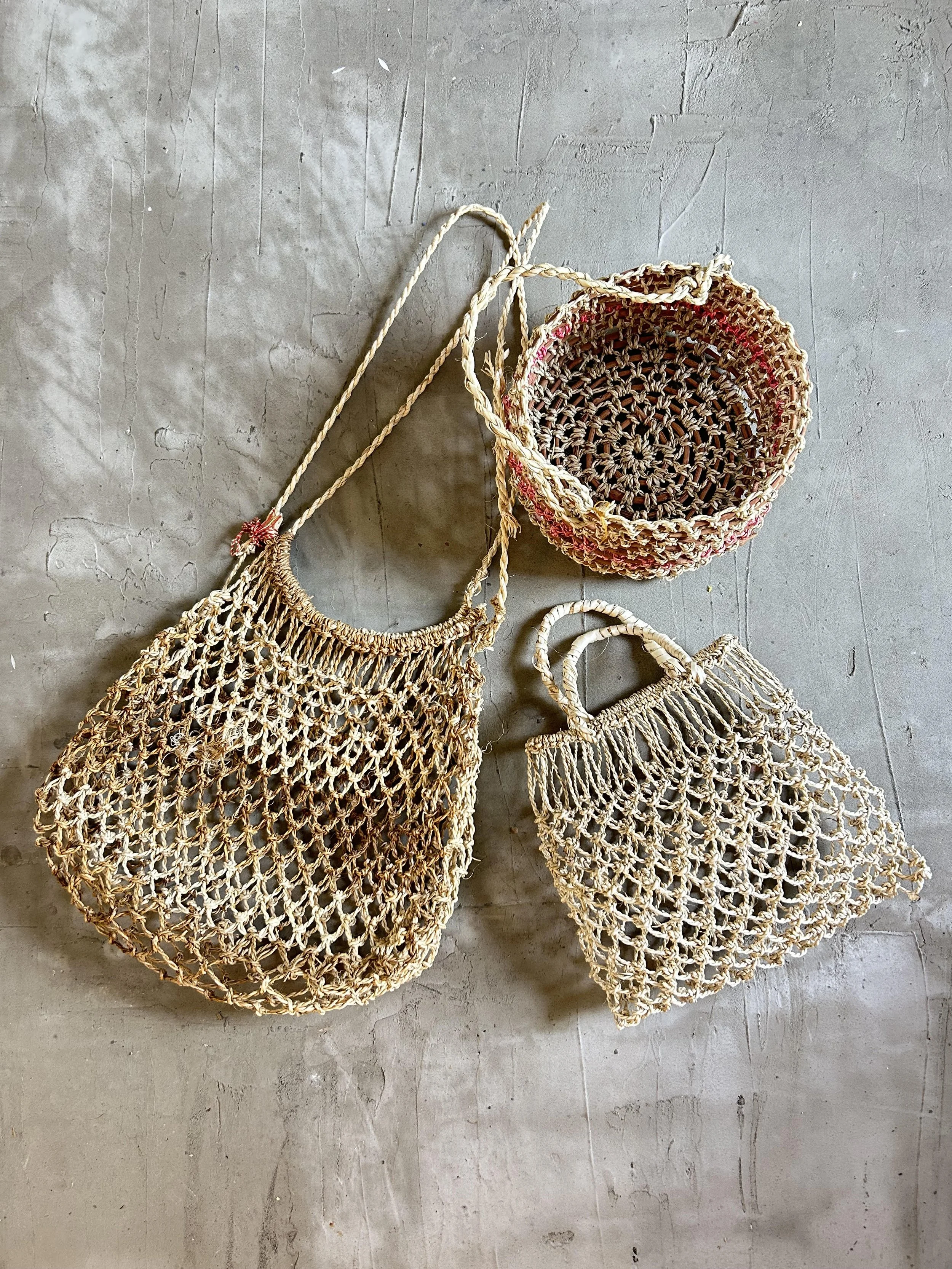
“Pilwa” is a knit technique closely interwoven in the identity and traditions of the Mapuche Lafkenche people (Literally “people of the sea”) who live in and around Budi lake in Arauncanía in Chile. The name itself refers both to the technique and a specific kind of bag created by using a plant, which in chile is called Chupón.

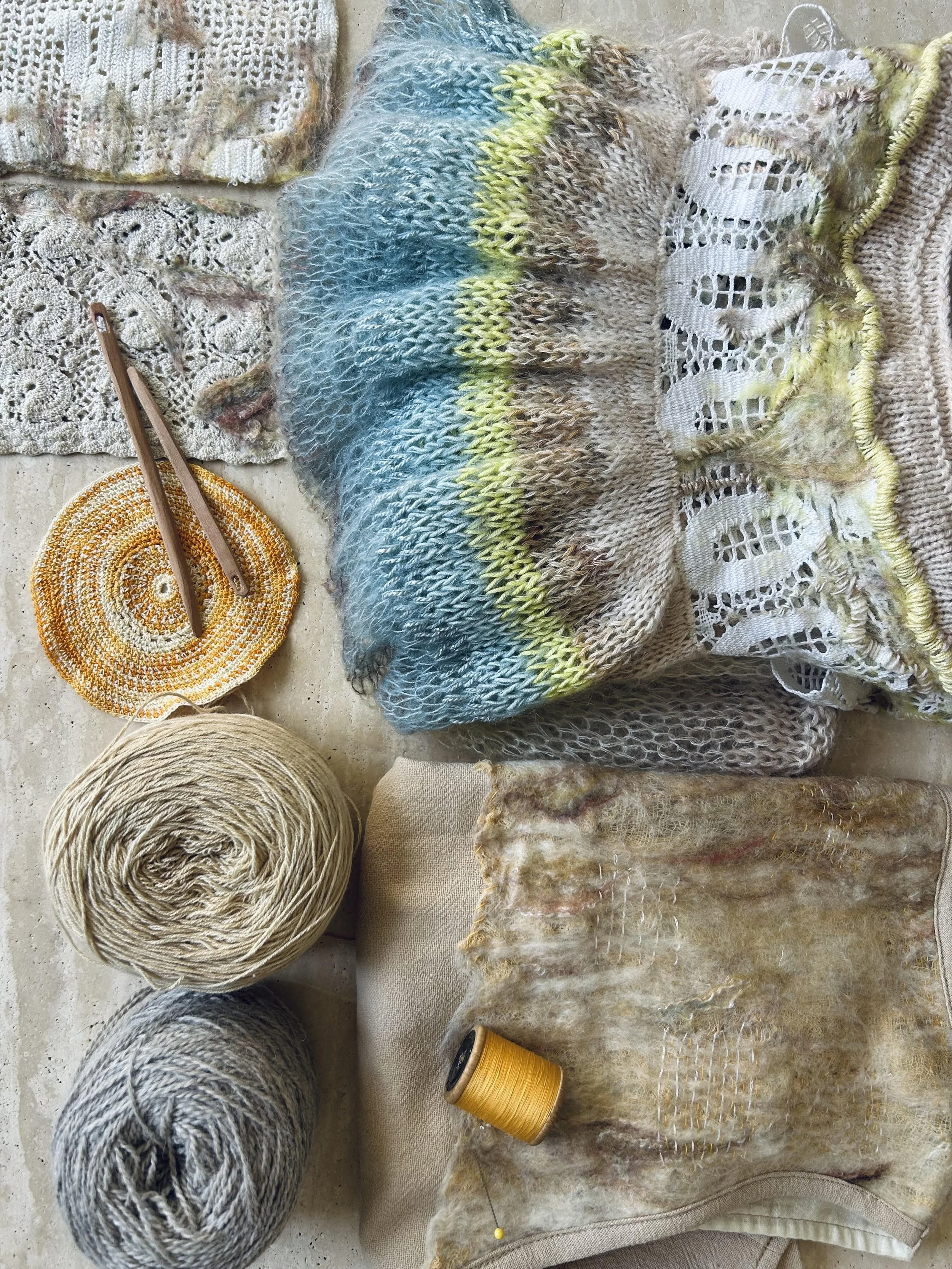
In this workshop, participants will be taught this ancient knitting technique, by creating a small textile piece from a combination of wool, cotton and carefully selected rescued materials such as fishing nets or recycled textiles collected during different journeys by Ropa de Genero.

Inspired in the belief of living systems characteristic of “synhistanai” (Place together), where tradition and modernity, the residual and the living coexist in a symbiotic relationship, the textile which we will make will interconnect tradition, recuperation and the what each participant brings to it.

Taught by Eugenia Ibarra Letelier from Ropa de genero, this workshop is an invitation to explore the many creative possibilities of Pilwa, while remaining conscious of the origin of the tradition behind it. Understanding that in creating we are not starting from zero. As we inherit the techniques and materials from our ancestors.

Date:

“Pilwa” is a knit technique closely interwoven in the identity and traditions of the Mapuche Lafkenche people (Literally “people of the sea”) who live in and around Budi lake in Arauncanía in Chile. The name itself refers both to the technique and a specific kind of bag created by using a plant, which in chile is called Chupón.

In this workshop, participants will be taught this ancient knitting technique, by creating a small textile piece from a combination of wool, cotton and carefully selected rescued materials such as fishing nets or recycled textiles collected during different journeys by Ropa de Genero.

Inspired in the belief of living systems characteristic of “synhistanai” (Place together), where tradition and modernity, the residual and the living coexist in a symbiotic relationship, the textile which we will make will interconnect tradition, recuperation and the what each participant brings to it.

Taught by Eugenia Ibarra Letelier from Ropa de genero, this workshop is an invitation to explore the many creative possibilities of Pilwa, while remaining conscious of the origin of the tradition behind it. Understanding that in creating we are not starting from zero. As we inherit the techniques and materials from our ancestors.

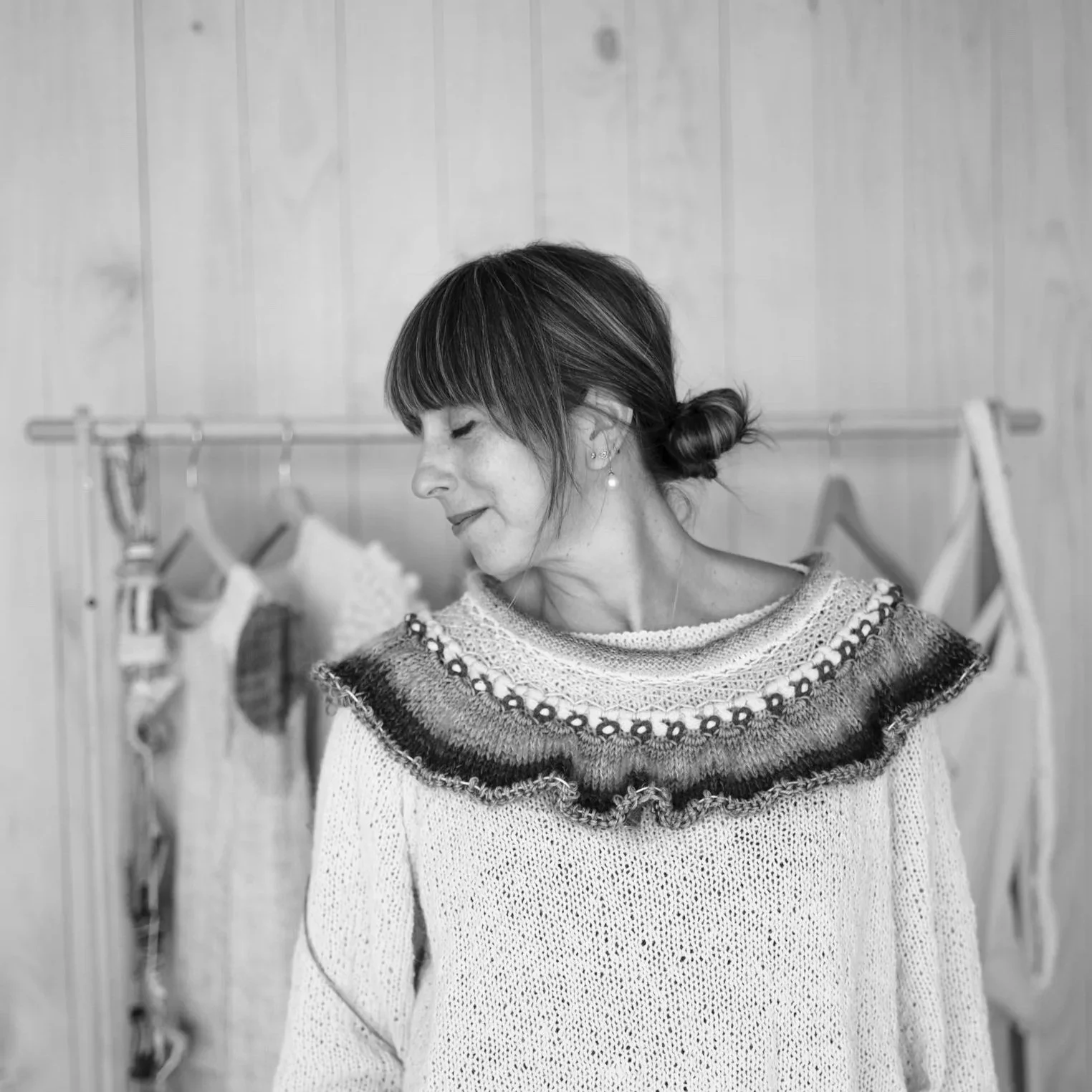
Eugenia Ibarra Letelier is a textile designer, with studies in fashion marketing and communication. She is the creative mind behind Ropa de Género (RDG). Her specialty is textile research with an emphasis on the reinterpretation of traditional techniques in two-needle knitting. Her leadership has been fundamental in promoting local artisanal work from a contemporary perspective.

With her brand, Eugenia has participated in numerous national and international trade shows and events, demonstrating how the artisanal trade can be redefined through design.

With a focus on creating clothing that has a unique narrative, highlighting the volumes of fibers on the body, RDG pieces are designed to last from generation to generation, adding lasting value to its design proposal.

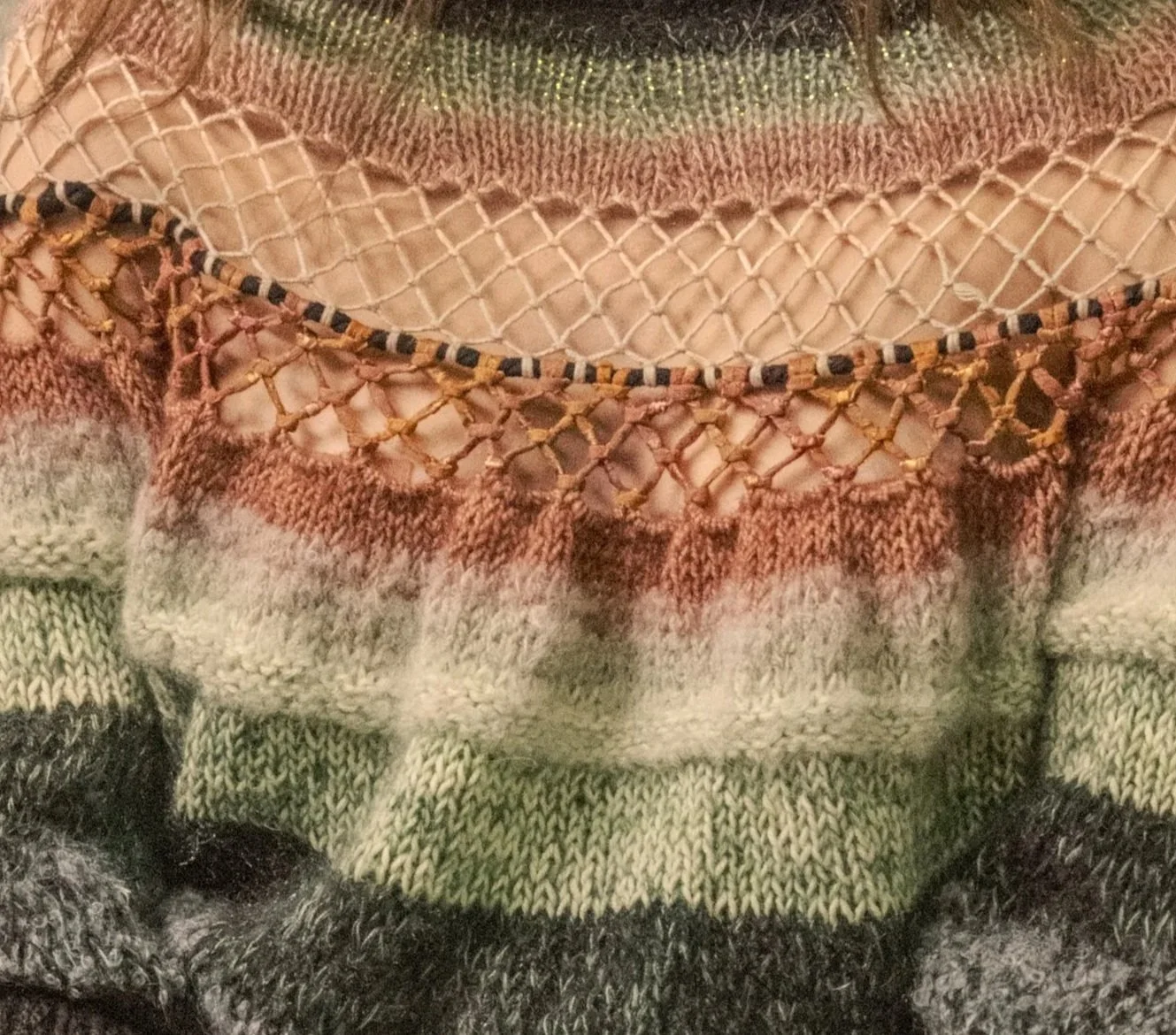
Eugenia introduces the innovative circular methodology in scapular fabrics, pieces made by hand in knitted fabric, which cover the shoulder girdle of the body, inspired by the worldview of indigenous peoples.

Eugenia has led social and community impact projects. In 2020, the "Creative Rural Weaving Incubator" project began in the Navidad commune in Chile, promoting regional identity through worksh ops and participatory design and creation meetings with weaving communities.  Her workshops have also reached university pedagogical contexts and cultural institutions abroad, such as the Instituto di Bardi in Florence, Italy, and the Official Master's Degree in Fashion and Sustainability Co-Design at L'éscola de disseny in València, Spain.

@ropa_de_genero