Protective Knot “Tobsho” Buttons with Surzhana Radnaeva

€150.00

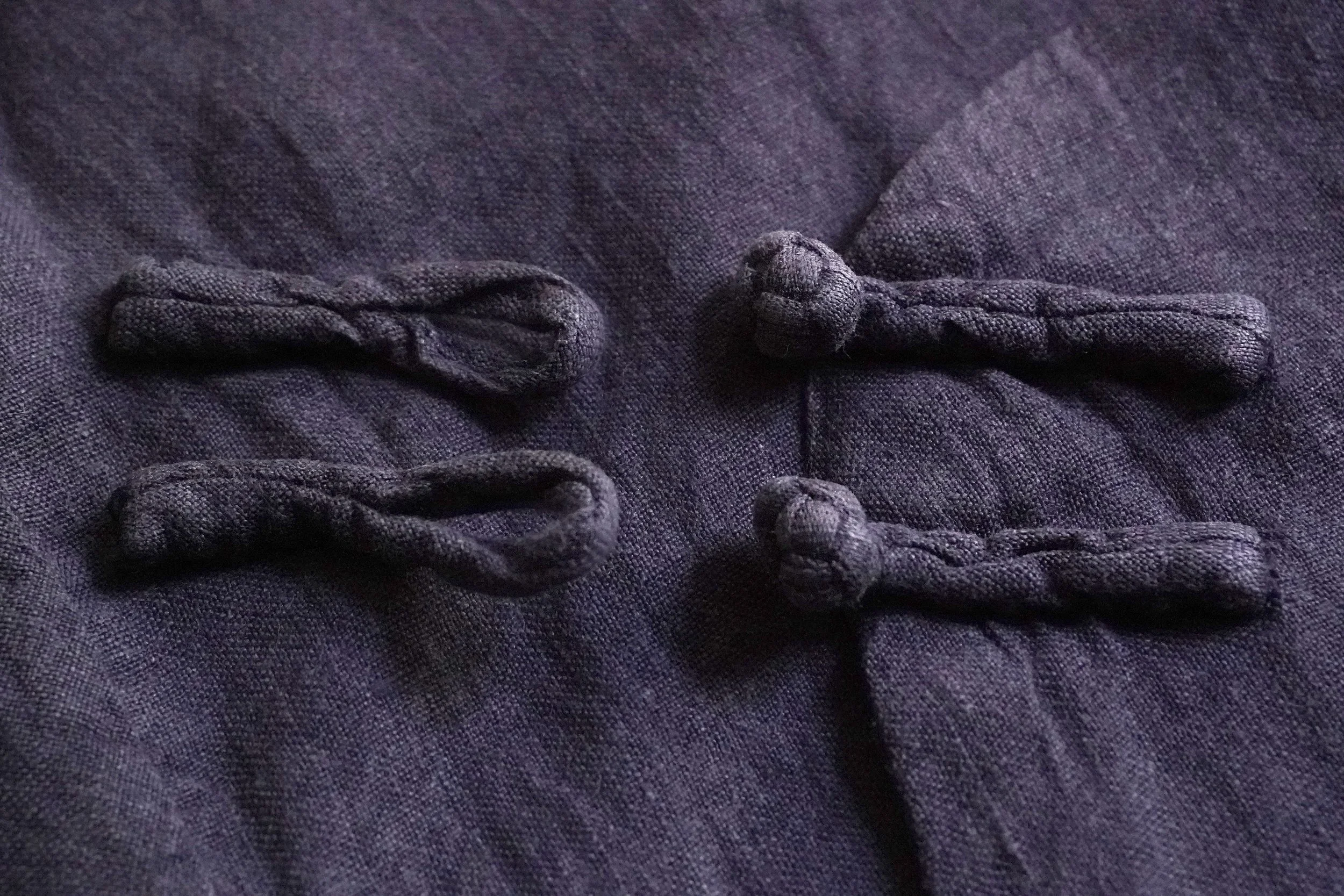
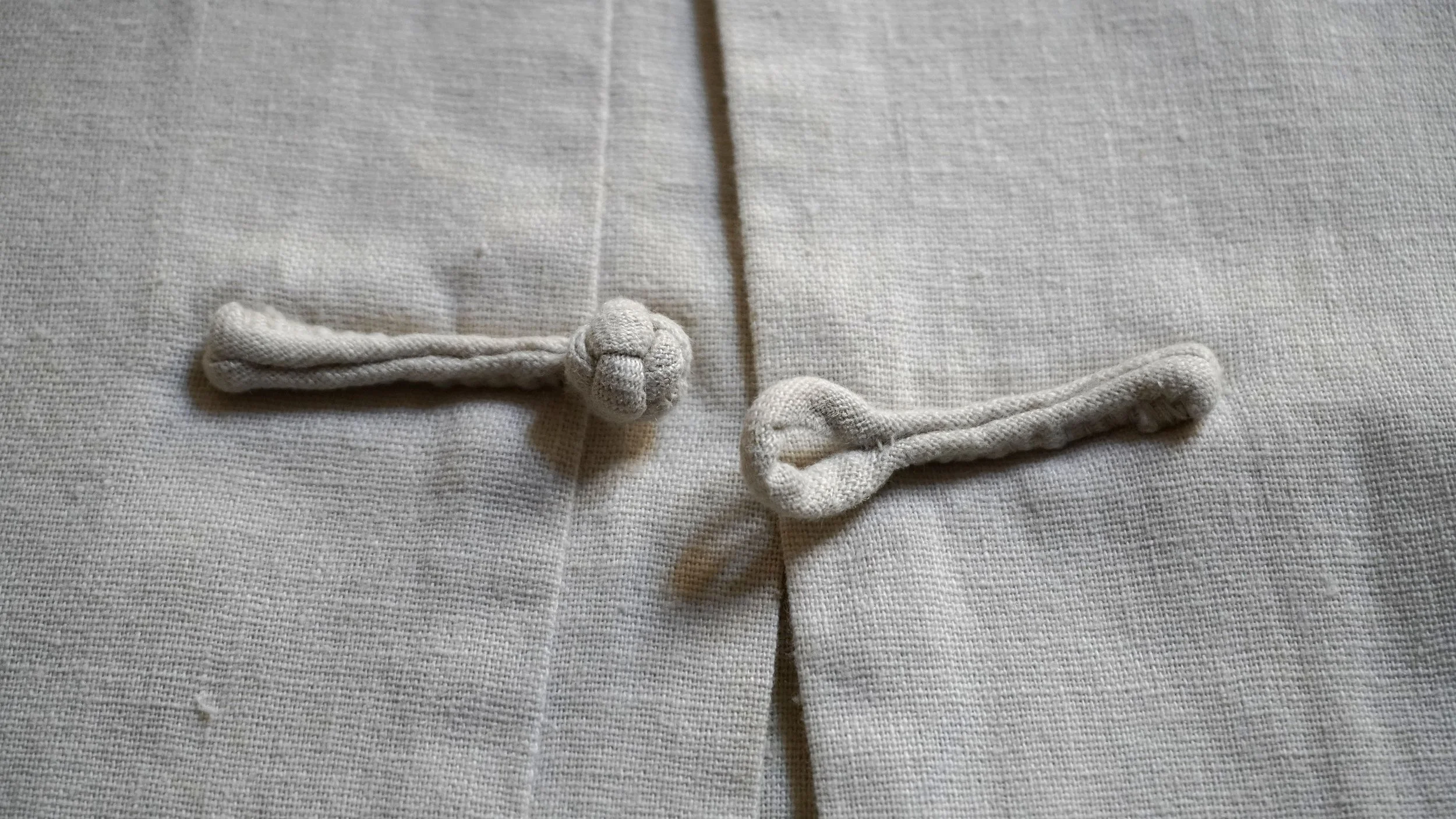
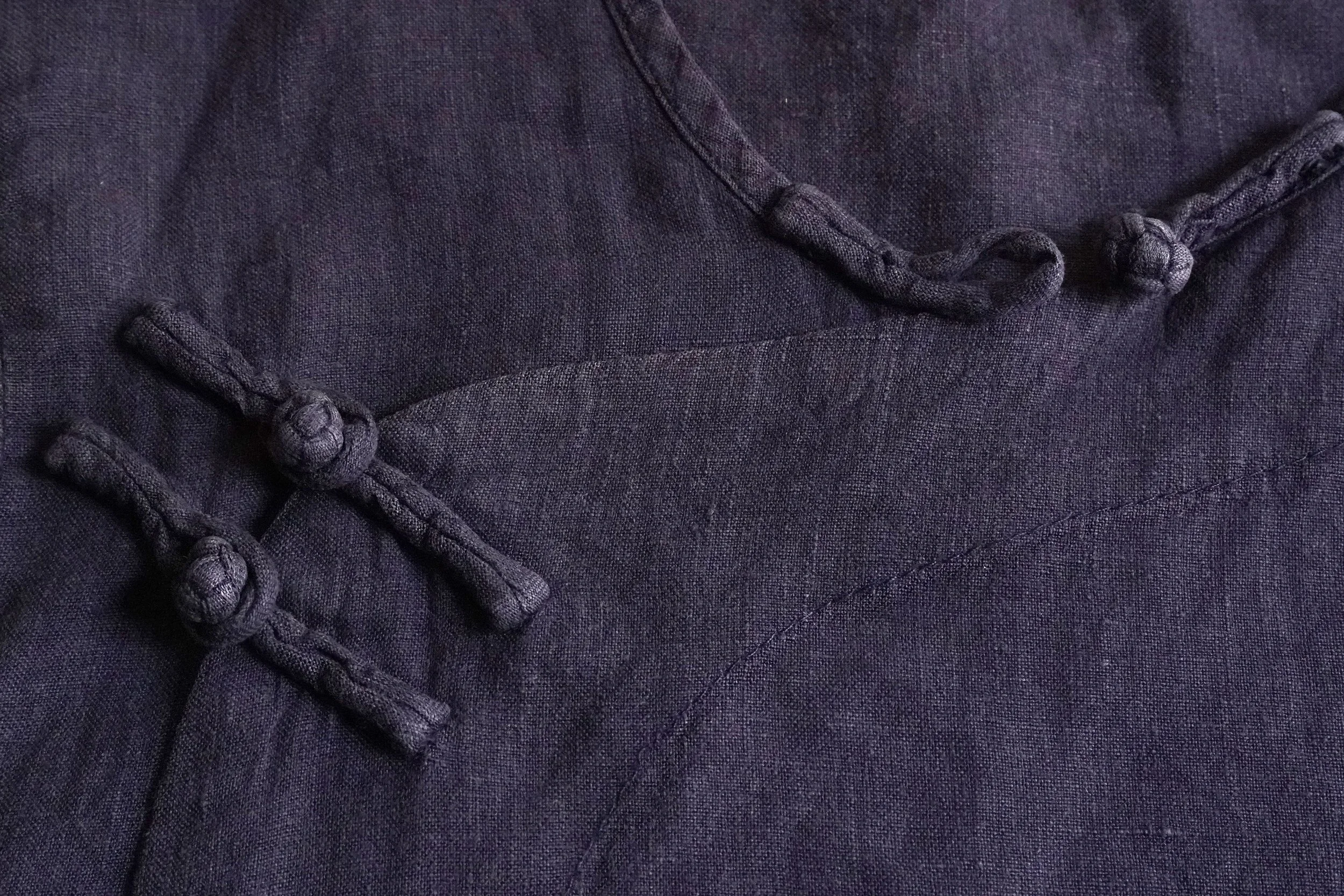
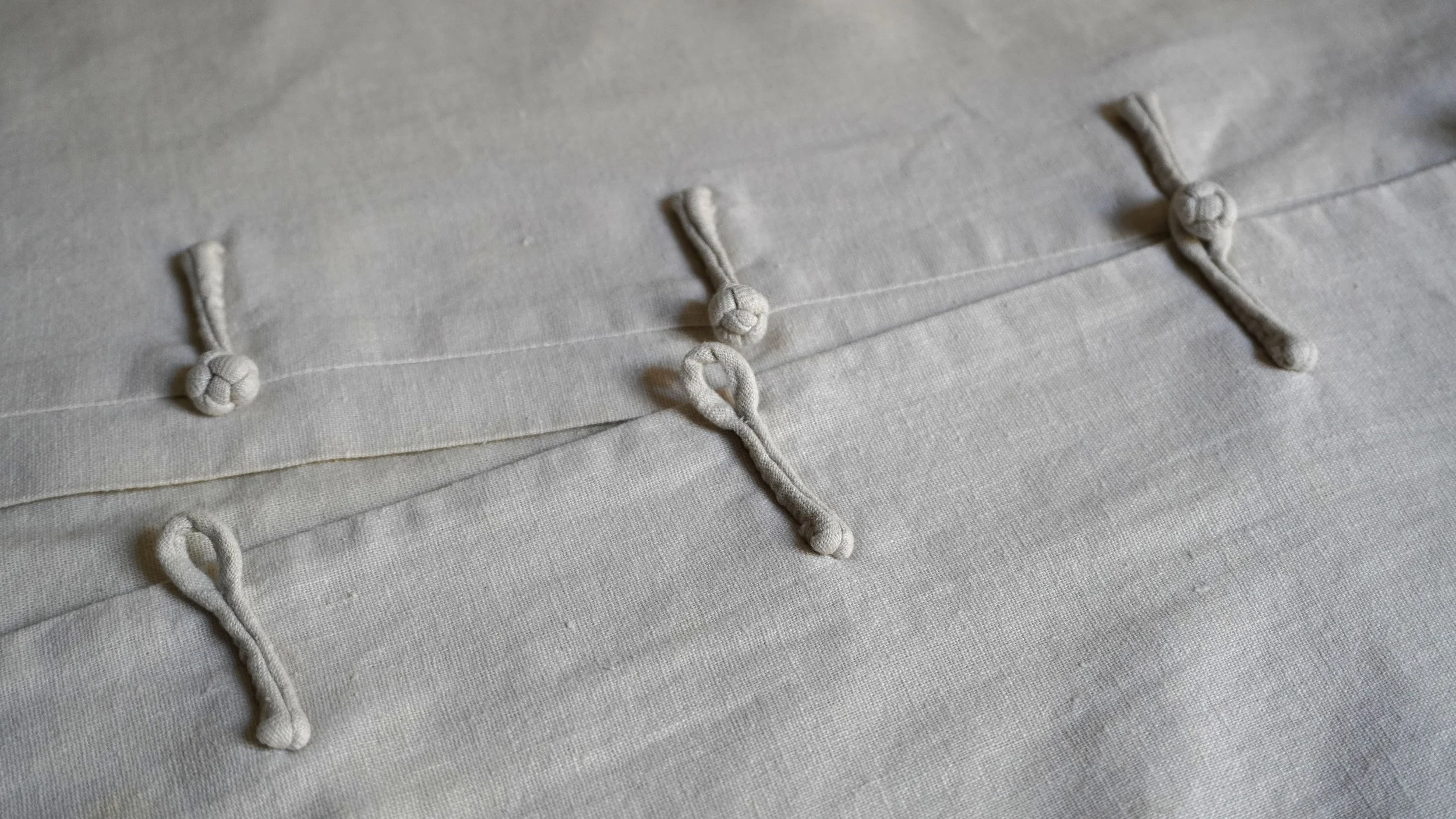
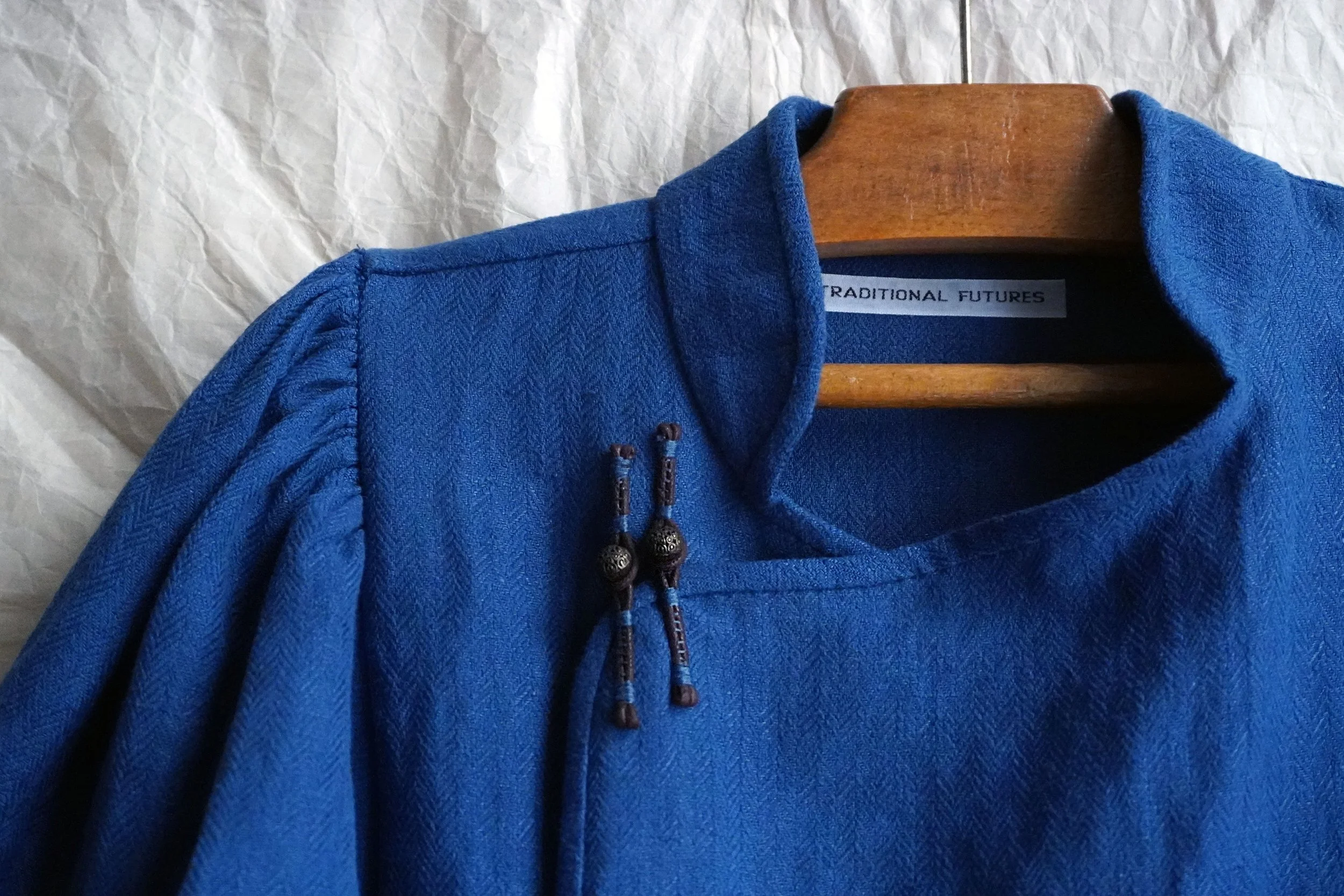
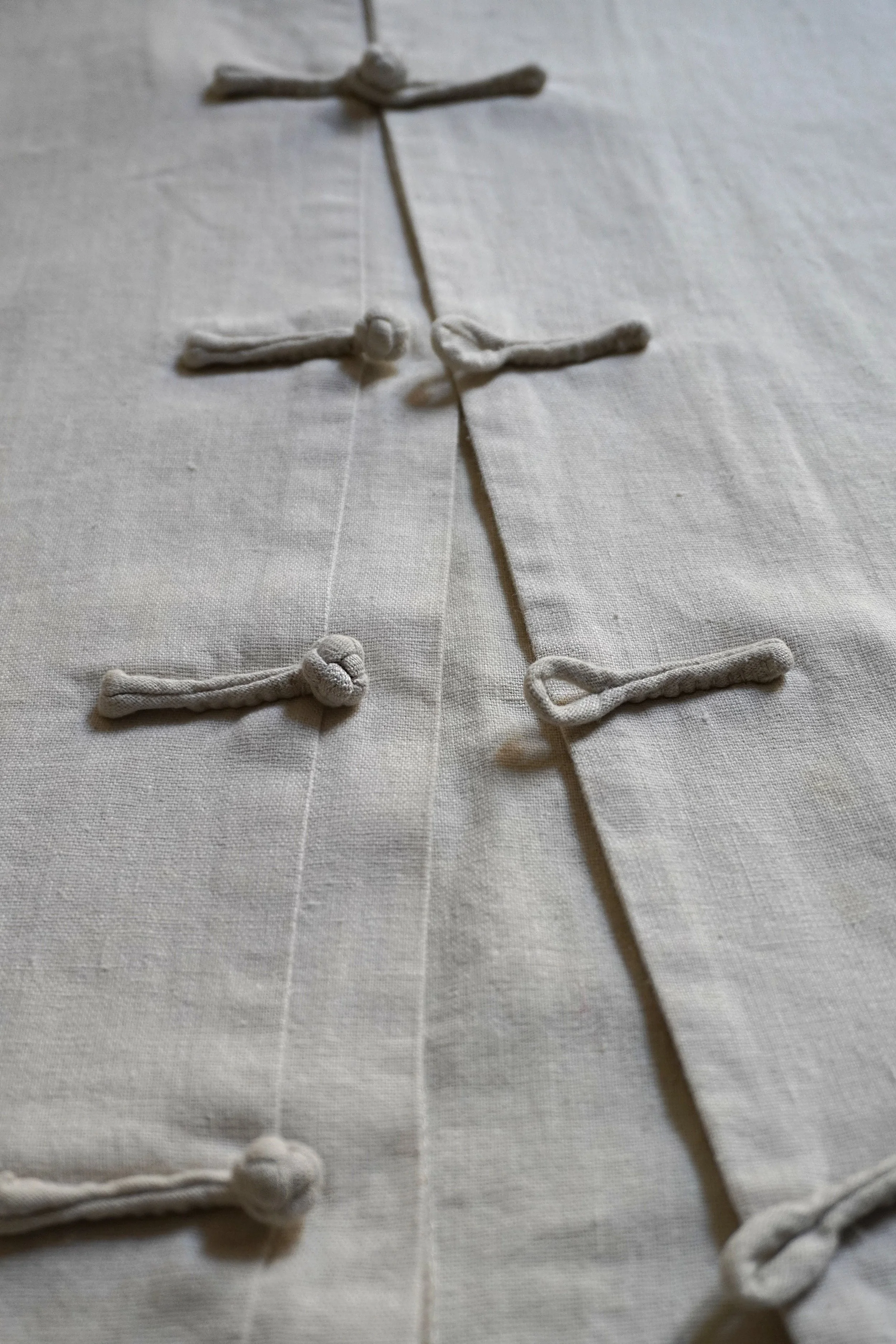
“Tobsho means button in the Buryat language and refers to the traditional closures used on Degel garments, such as those showcased by Surzhana at the Xtant market space. This hands-on workshop explores knot-buttons as an alternative to conventional closures, bringing together function, symbolism, and sustainability.

Placed at the opening of a garment, the knot functions as a closure and a symbolic lock, marking the boundary between inside and outside. Within nomadic cultures, such elements are understood as protective, preventing unwanted influences from entering the body.

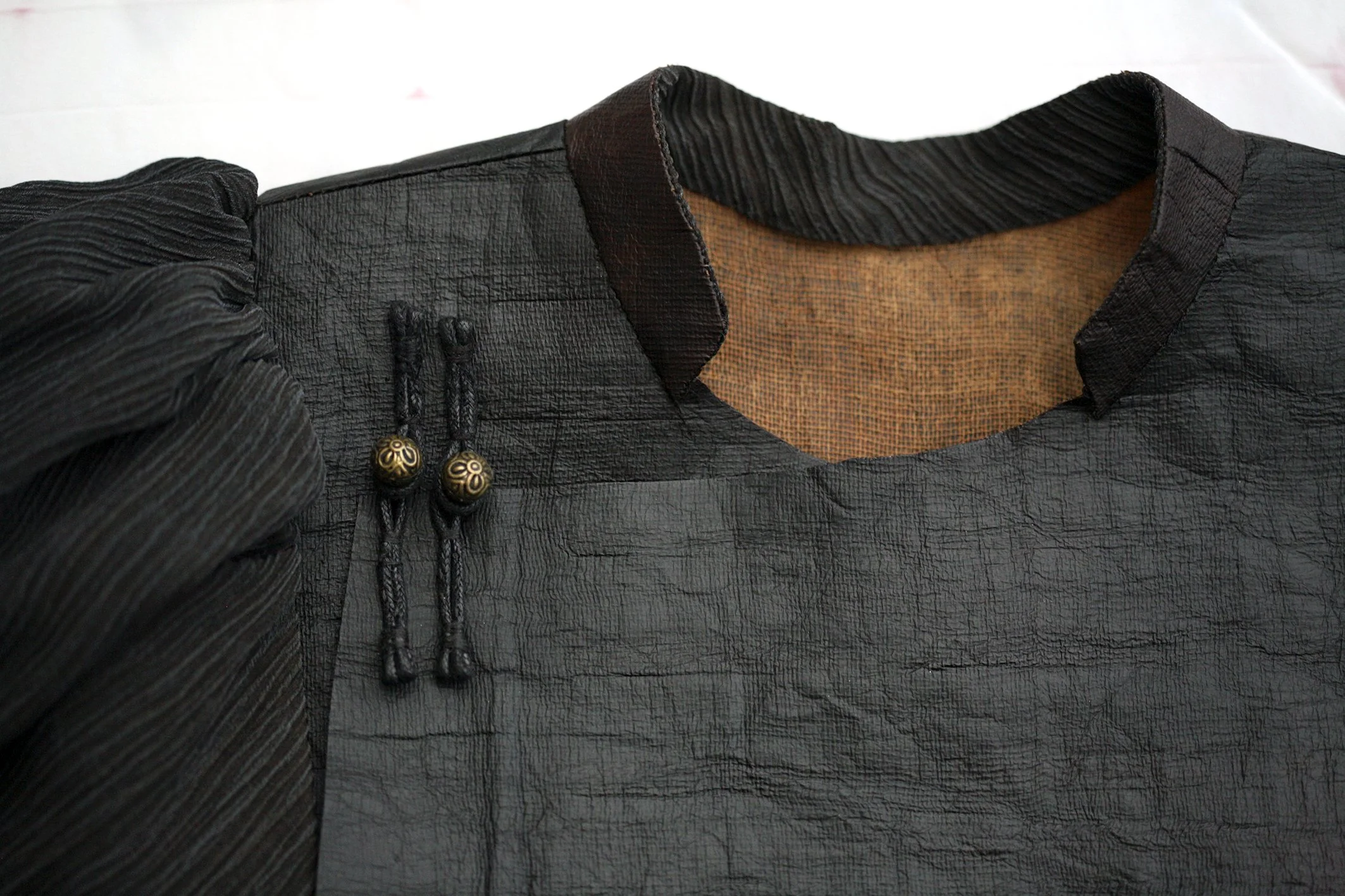
Similar knot-buttons can be found across Asia, travelling along shared nomadic routes and cultural exchanges. Participants will learn techniques to create knot-buttons using cords, ropes, or textile strips, as well as a traditional method of constructing a closure around a spherical core.

These buttons can replace conventional buttons or be added to garments and accessories as a subtle detail. While grounded in traditional costume, the techniques adapt easily to contemporary clothing.

True to nomadic practice, this is a portable craft. Knot-buttons can be made anywhere, using only a rope and scissors, with no table or additional tools, allowing the practice to follow movement and travel.”

All Materials are provided, no prior experience required. Participants will take home with them the knot buttons they produce. The workshop will take place between two and a half to three hours.

Date:

“Tobsho means button in the Buryat language and refers to the traditional closures used on Degel garments, such as those showcased by Surzhana at the Xtant market space. This hands-on workshop explores knot-buttons as an alternative to conventional closures, bringing together function, symbolism, and sustainability.

Placed at the opening of a garment, the knot functions as a closure and a symbolic lock, marking the boundary between inside and outside. Within nomadic cultures, such elements are understood as protective, preventing unwanted influences from entering the body.

Similar knot-buttons can be found across Asia, travelling along shared nomadic routes and cultural exchanges. Participants will learn techniques to create knot-buttons using cords, ropes, or textile strips, as well as a traditional method of constructing a closure around a spherical core.

These buttons can replace conventional buttons or be added to garments and accessories as a subtle detail. While grounded in traditional costume, the techniques adapt easily to contemporary clothing.

True to nomadic practice, this is a portable craft. Knot-buttons can be made anywhere, using only a rope and scissors, with no table or additional tools, allowing the practice to follow movement and travel.”

All Materials are provided, no prior experience required. Participants will take home with them the knot buttons they produce. The workshop will take place between two and a half to three hours.

About the tutor:

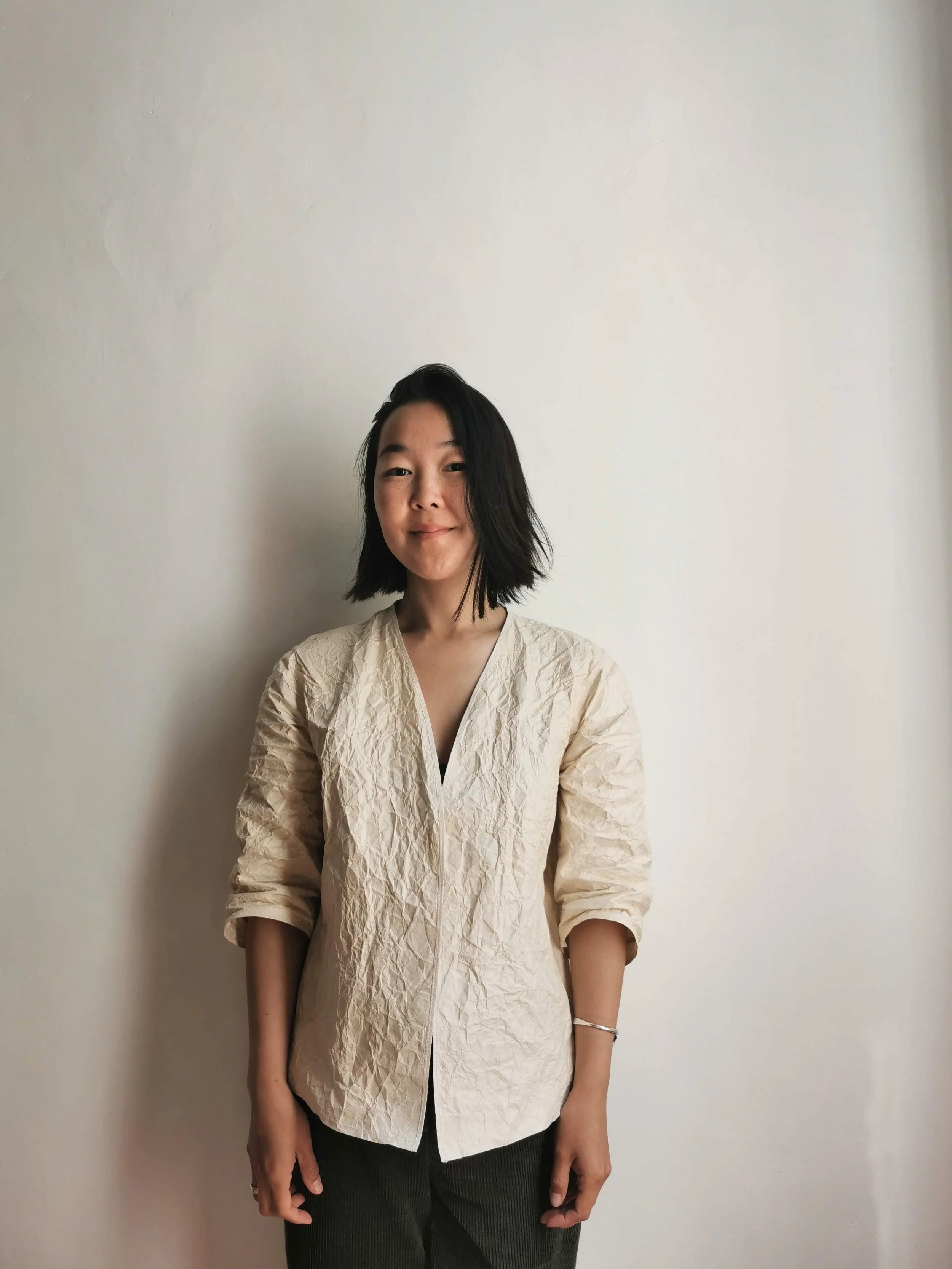
Surzhana Radnaeva is an interdisciplinary fashion designer, material researcher, and educator rooted in her Indigenous Buryat heritage. Her own nomadic life unfolds on a wider scale than that of her ancestors: raised in the wild Siberian steppes, shaped by urban life in Moscow, educated in art history at Moscow State University and fashion design at Beijing Institute of Fashion Technology, and later working as a fashion designer for luxury brands.

Based in France, where she founded Traditional Futures studio in 2019, and working internationally, she has been invited across the world to lead workshops, give lectures, and collaborate on research-driven projects. Through traditional practices, material experimentation, and garment-making, Surzhana invites others to explore her culture and reconnect with their own roots and inner selves. Her work integrates ancestral techniques into contemporary life and modern clothing, weaving ancestral knowledge into contemporary practice. A central pillar of her practice is the exploration of traditional techniques and sustainable biomaterials, approached with respect, care, and future-oriented imagination—staying grounded in the past while looking forward.