|
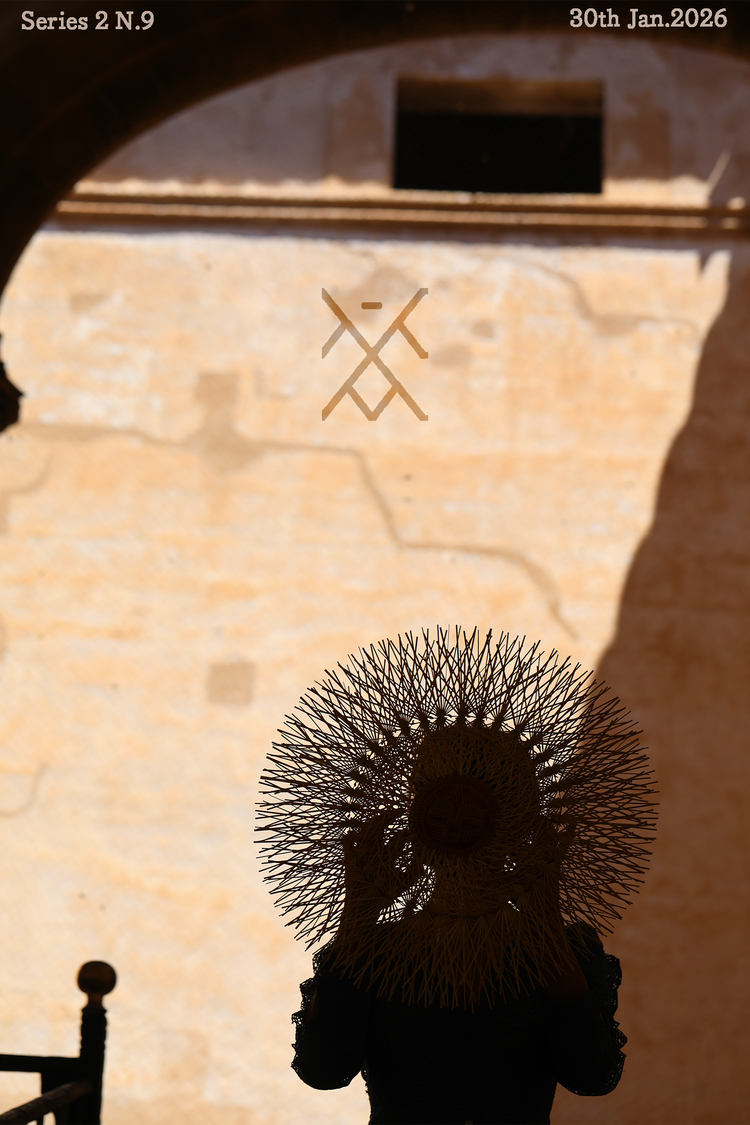
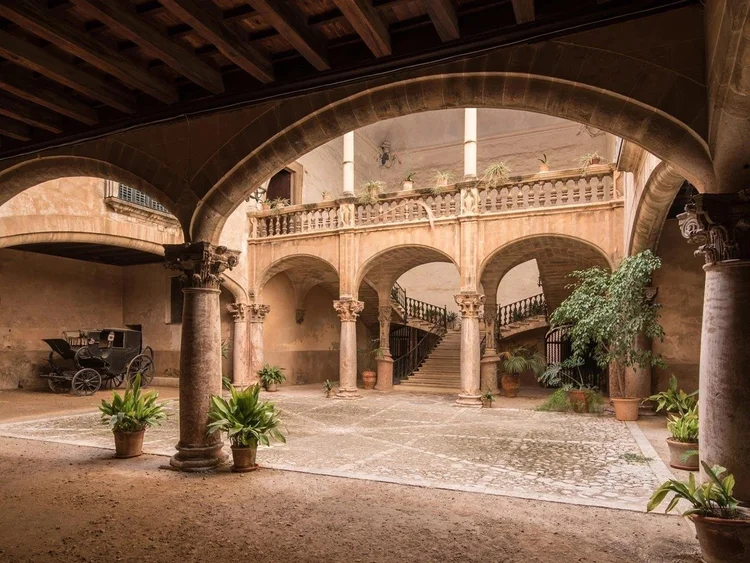
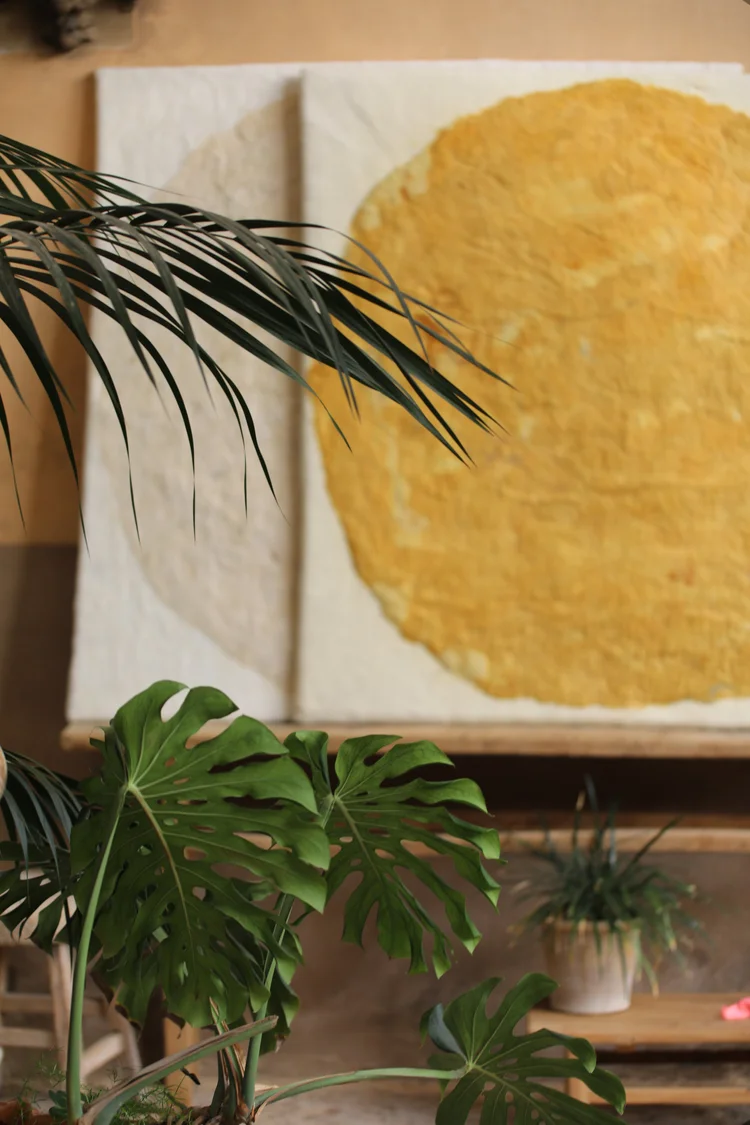
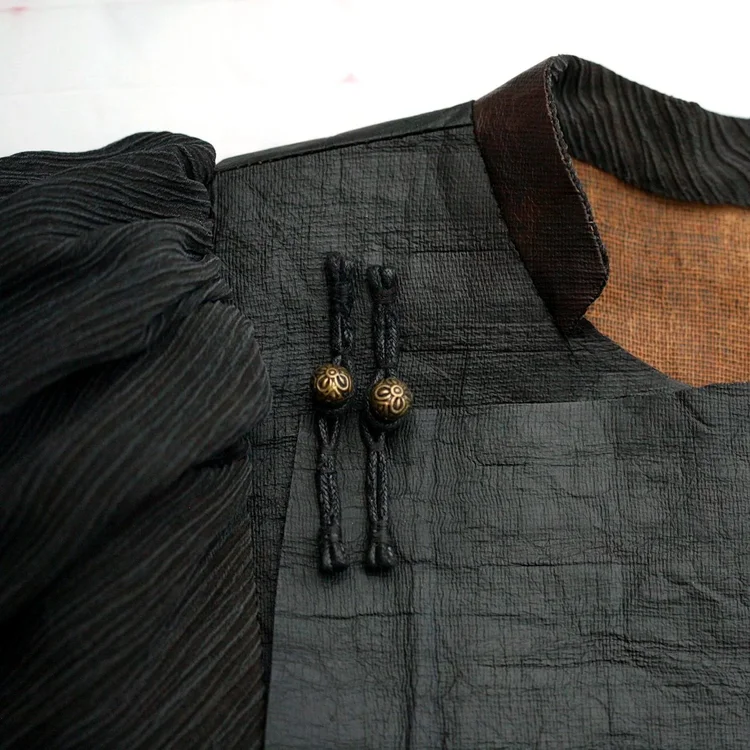
The book ‘Invisible Cities’ by Italo Calvino has taken the imagination of XTANT recently. And, as the concepts for the space veer off into the unorthodox, we started to consider the works at Can Vivot, as something like postcards or brochures of the different worlds they belonged to. The craft, the culture, the small signs in patterns or materials that open up to tell you all about the history of an area. In ‘Invisible Cities’, a fictional version of Genghis Khan silently bemoans the moment that Marco Polo learned to speak to him, for the fantastical implications behind the signs and objects he once play-acted with were replaced with dull mechanical description. Slowly, the book says, the two grew bored of the abstraction of language and returned to signing and gesturing. This year XTANT aims to do something inspired by this, not stop speaking, we’ll probably never do that. But we hope to play with people’s imagination, avoiding the strict geographical categories or other abstractions we make in our heads to understand the world, and instead giving visitors and the space of Can Vivot itself these scattered windows into the art and work of all those far away places. Where Palma was once a crossroads in which countless philosophies, cultures, and trades met, evidenced in Can Vivot’s mix of different mediterranean architectures and Arabic stylings, it remains that same crossroads today, seen as those baroque palace walls are dressed in the works of artisans from all across our world. Can’t wait to see you there. Book your flights!
|