|
$$PLAIN_TEXT_PREVIEW$$
|
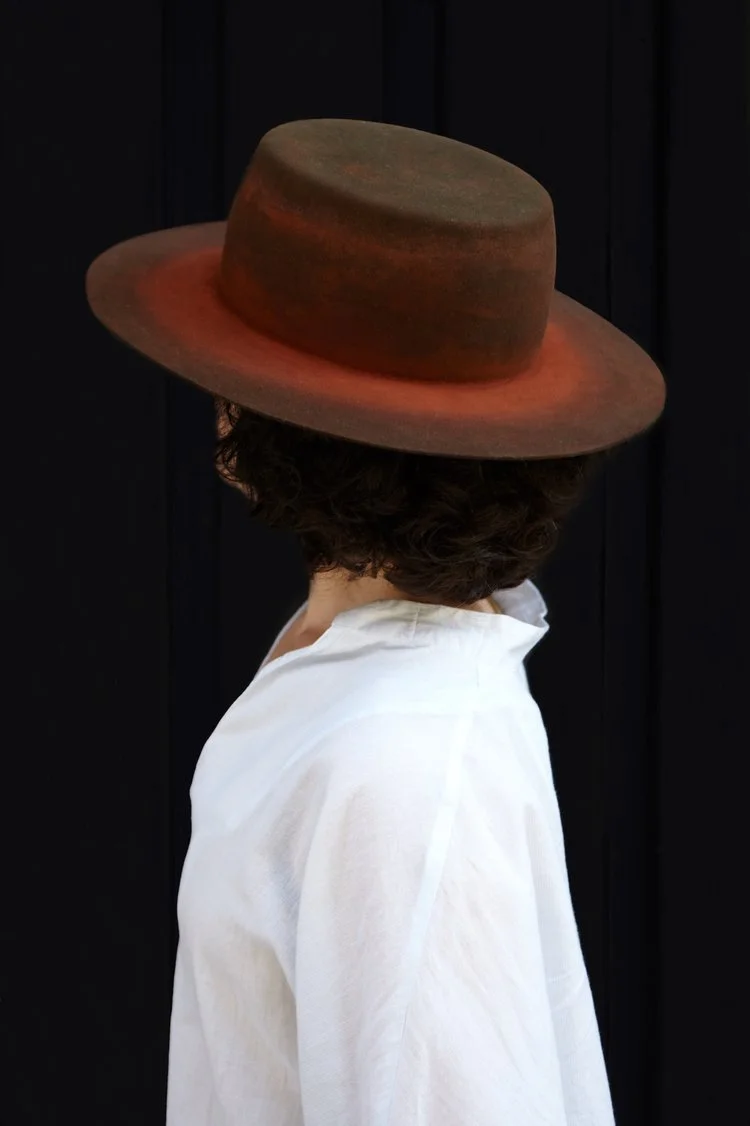
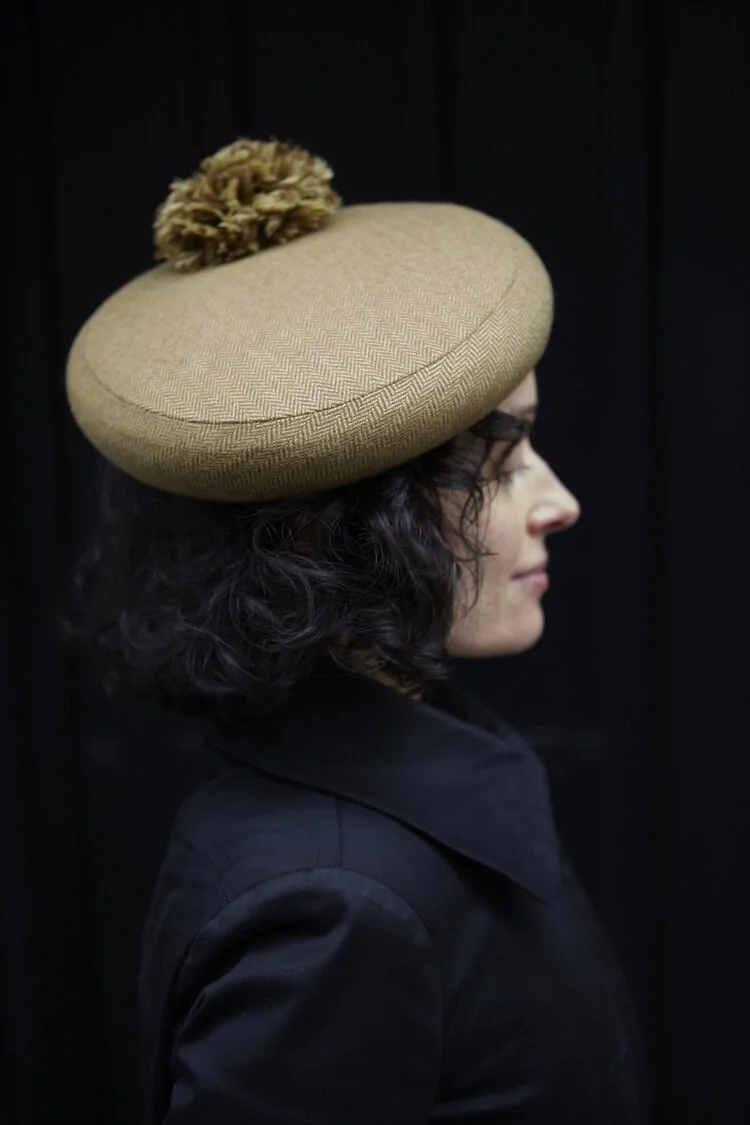
Photo taken with permission from analamata.com
|
-Oh god the month is already halfway done.Evening! Its another nice breezy day in the slowly preheating oven that is central Spain. This won’t last. Over the past months, all two and a half of them, we’ve had the opportunity to discuss at length the artists, classes and places that will make up HUACA 2025 and I sure did overestimate how much we’d be able to cover within a weekly schedule. This is a double feature, is what I’m getting at. There is still a lot to talk about. With so many artists come so many stories, and through the years we’ve been lucky enough to be privy to or a part of a lot of them. Any who, readers who checked the program we sent last week may have noticed a few interestingly titled talks. Among them was one called ‘Masters of the obsolete’ by:
|
|
Dani is someone very near and dear to XTANT. Having been here since our first years on the island and being routinely involved in many of the year-round projects that we have on off season. First founding London cloth company by repairing an abandoned shuttle loom he found in the outskirts of London, Dani has since only discovered more and more of these forgotten mills that dot the English country. As an entirely self taught machinist, he managed to take these century old relics and create an entirely functional Welsh mill from them. Something that still feels wildly unthinkable. One of the issues that always rears its head in European localized fashion is that, barring certain special places with protected traditions like the Isle of Harris; practices like weaving and industries like wool carding or natural dying have been gutted. It is not just that people aren’t doing these things anymore, but that people don’t even know how to. Repurposing century old mills, ghosts from a time long long passed where some kind of textile industry existed, and breathing life into them with safer uses takes on a entirely different meaning in that environment.
|
|
From London Cloth company’s Website
|
|
These ghosts of things that once were — flawed as they might’ve been — haunt every corner of Europe. And, just like how Dani found the old, dust covered machines he would make his project from in Wales, years later the artist Tatiana Sarrasa would tell us of another set in Mallorca.
|
|
One of the few abandoned mills we visited in Mallorca
|
|
Behemoths of bolted iron and steel left to rot in an abandoned warehouse that was already overgrown with vegetation. They were all set to be scuttled. Brought up in XTANT’s first Leadership program, and having recently been involved with projects about the dying industry of carders, learning how masses of wool that hadn’t been exported were burnt each year. Clara, Maria, Miriam, Kavita, and Dani set about the expensive and time consuming labour of finding them a new home.
|
|
It is very hard to explain precisely how stressing and hurried it was, with the demolition crew having been told to do away with the machines by a certain deadline, they had to be hauled out to a temporary storage while a proper location could be found. But also these were complex, metal contraptions the weight of a small car. And so they ended up having to be lifted from the abandoned warehouse by crane, loaded onto heavy trucks and ferried to a new wide-road access destination each and every time they moved. It was only after several ordeals, months of back work and a few too many frustrated calls that thankfully project Son Moragues adopted them in an attempt to put them into operation. And today they are, in a moment where many deride the entire idea of creating modern mills in the continent at all. The machines sit there, refurbished and operational, making blankets from the wool and labour of the island itself for the first time in what could well be a century. We know we say this a lot, but if a small project like this can lift up these pre-war rusted contraptions, refurbish and learn to operate them, imagine what real large investment could bring for a new, more sustainable local Fashion industry. If any of that sounded interesting to you, come by the talk! Dani is a fun speaker.
|
|
Photos below taken with permission from analamata.com
|
ABOUT APPRENTICESHIP.XTANT has been experimenting with different forms of what the future of education could be in craft. And, as part of it we will be hosting a discussion/unveiling what we hope the planned XTANT Masters´ programme will one day be. But what’s wrong with things as they are anyways? Universities have, since the end of world war two, slowly overtaken almost every aspect of craft and artistic formation. It doesn’t matter if your goal is to be an artist, an actor, a dancer or a tailor. The path — the conventional one at least — is through a college degree. That’s not necessarily bad! The fact that so many people, passionate about things so distinct, gather together is part of what makes university something desirable for people. But this was not always the case. Since time immemorial, from being a core aspect of pre-industrial guild systems to the simple idea of “taking someone under your wing”, apprenticeship had usually been the accessible, common option of learning. The idea isn’t dead, not by a long shot. But, at least in Europe, wherever its organised it also tends to be technical — think electricians, mechanics, that sort of thing. This side of the 21st century art and artisanry have never been larger, but they have also never been more fragmented and unorganised.
|
|
Ana Lamata is a master hat maker, a personal friend of Kavita for a decade now, and one of the panelists in the talk. Her story is also the most clear cut example of how beneficial apprenticeship can be. In London, studying art history, she sought out ways to gain a fuller, richer experience in hat making and, rather than finding classes within the university course system she was already familiar with, she managed to seek out an apprenticeship under the practiced hand of Mrs. Rose Cory. As in Mrs. Rose Cory MBE, Milliner of the late Queen Elisabeth II and practically an institution of her own. The rest is history, Ana’s work is world renown and the combination of her precise skill and PhD in art history has had her commissioned by names as high as the Museo del Prado in Madrid.
|
|
Apprenticeship is hard to attain, but it provides an in-depth view that virtually nothing else does. To sink or swim in a controlled environment, to directly work in the industry, to form pieces for use or for sale as part of education rather than that being the goal education takes you towards. Art and artisanry, unlike architecture or engineering, can afford practical failure on the field. When it comes to learning, there is no greater advantage. So, if the issue is a lack of organisation, the fact that there isn’t a clear path or institution you can find a master across, how should we best address that? The free to access talk and subsequent invitational special event on the 10th will show the concept as XTANT has devised it.
|
Speaking of masters in their fields…
|
Want to be at the opening party on the 9th, a special event about the future of XTANT on the 10th, AND get a free workshop of your choice? Support us through the patron pass!
|
|
|
|