$$PLAIN_TEXT_PREVIEW$$
XTANT
 

TALKS, DISCUSSIONS, & A FEW OTHER THINGS

Piece by @buttonmasala


COLUMNS | 24.03.25

Hi!

HUACA 2025 is just a month away and as the event draws ever closer we’d like to hone in on the features and appearances that we will have this year.

We have just last week added our twelfth workshop and are preparing a new community page to showcase our attending artists and their countries of origin.

However, another part of XTANT which we admittedly don’t talk about as much as we should is:

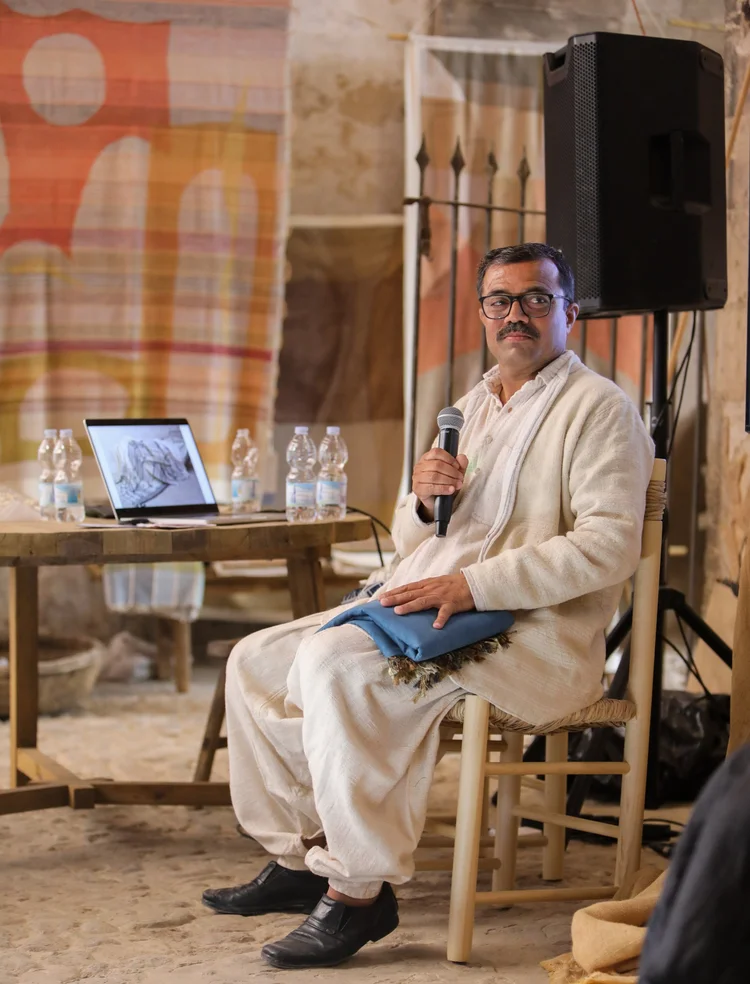
Photograph by @leyre.lopezdelapaz

TALKS


Round table discussions, panels, and conversations are held each and every year in Can Vivot. Inviting foundational voices from Dr. Vandana Shiva to Li Edelkoort to discuss, agitate and inspire in directions of positive change.

Among the many voices coming this year we have a large contingent from India. Formers students of the National Institute of Design, leaders in artisan communities and the faces of a slowly growing sustainable, living and breathing artisanal textile industry.

Shamji Bhai (whom we introduced in a prior newsletter), Abdullah Jabbar of the Khatri community, Kabir from MORII design, Hetal from Raasleela, Anuj both from Button Masala and a professor at NID, and Ami Shroff from Shrujan & the LLDC Museum.

The attitudes and changes made in India during those early years left a mark on the country that can’t be washed away.

So, while I’m a lot less qualified for it than the people just mentioned, as a primer for that upcoming talk, let’s talk legislation.

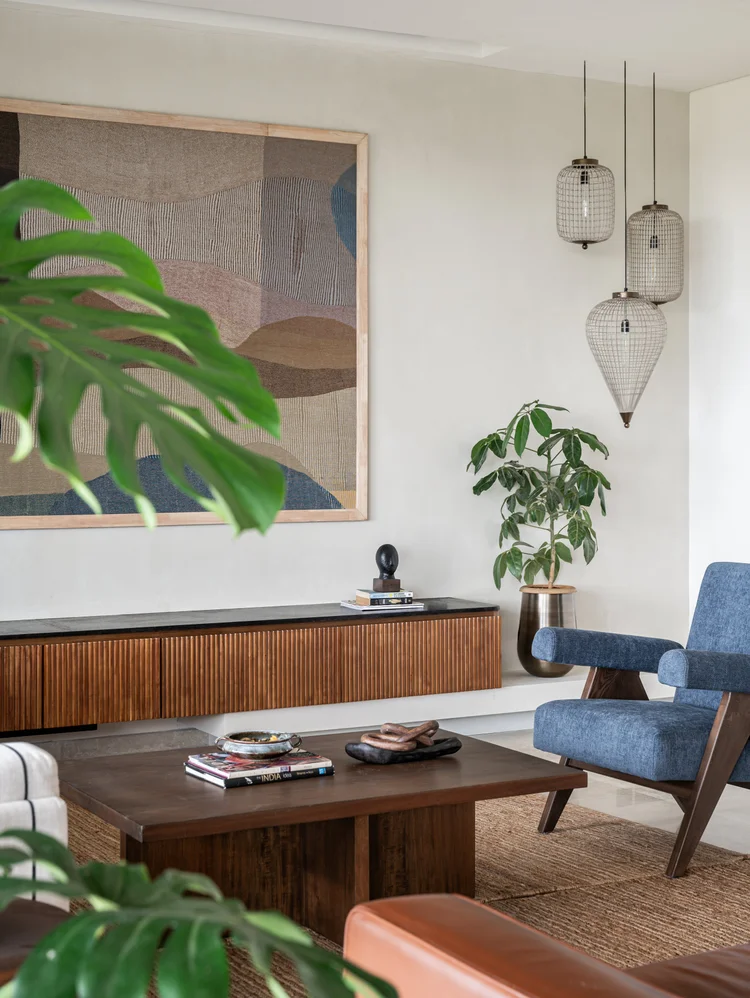
Piece by @morii.design

In India, some 70 Years Ago:

During spring of the year 1958, the recently established government of India commissioned Charles and Ray Eames, already internationally celebrated, to produce a report that would surmise the general situation and status of the quality of design within industry across the country.

In a modern view ‘the India report’ itself is maybe less valuable than what it represents.

Beyond being something nigh unthinkable in the modern climate of ruthless, cost-cutting ‘efficiency’ that the post 70s world engendered, it was a kind of initiative that belies a very different mentality on how we view design, art and beauty.

It’s a very common thought that industry and manufacture is, in a way, the opposite of art. Images of towering smokestacks and polluting riverside factories come to mind when hearing the word. And yet, many of the products emerging from said factories are in larger parts ‘design’ than ‘utilitarian’.

Take Fashion.

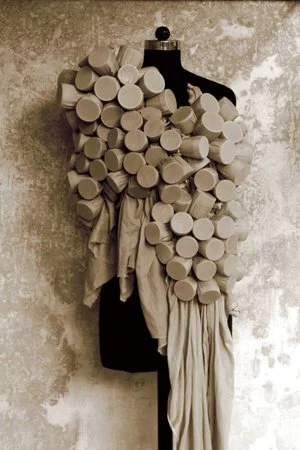
Piece by @buttonmasala

Why is it that monumental amounts of easily teared, poor quality clothing is produced quarter on quarter, when the technology and practices for stronger more versatile fabrics is readily available and cheaper than it has ever been?

We know why, It’s the lightbulb dilemma, Planned Obsolescence. But to ensure that people have a reason to buy these masses of things thousands of designs, cuts and variations are applied to them.

That isn’t a lack of design. You can call it cynical, but an enormous ecosystem of artists and trades abound in it. What it is, we’ll say here, is a lack of central vision.

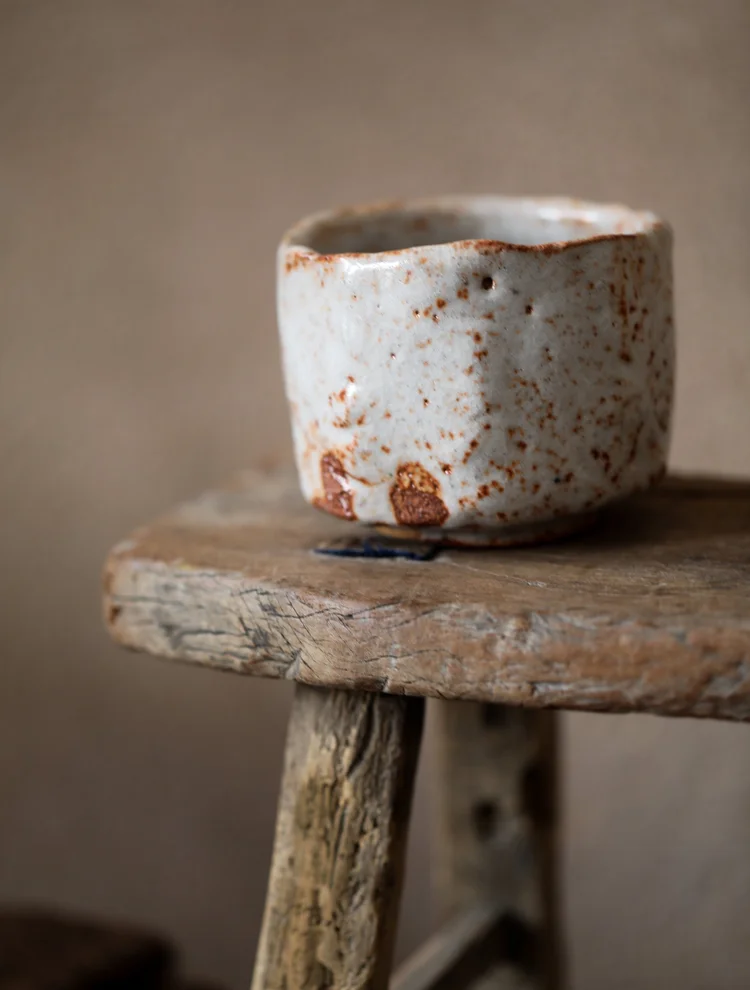
Photograph of @thisandthatindia

What does ‘vision’ entail?

In the first section of the India report, the National Institute of design proposed is described very specifically as a mechanism by which to “alert the national conscience.” To train, yes. But also to “research” and to “service”.

In short, to not just be a university but also a vehicle by which to push for the beautification of the country and to foment the public’s demand for the beautification of the country.

To alter the form in which people demand products itself.

For a modern example, In Europe, artisanal bakeries managed to claw themselves back into a position of mainstream popularity. This increased the amount of quality bread being sold, but it also (undoubtedly) rose the price of bread. People still buy.

Industrially produced bread is cheaper, easier to make and made in large quantities. It is also well and capable of averting the health risks caused by some ingredients given enough time and study. Yet people still buy from local artisan bakeries.

Photograph by @leyre.lopezdelapaz

It’s a subculture! I mean it’s people having more income therefore being capable and willing to interact monetarily with a subculture. But it is still a subculture.

It comes from people spreading the word, and couching that word in past practice. From knowing your baker, from having a more vibrant local shopping area. In short it’s marketing. Sheer marketing allowed local bakeries to remain above water, after decades of decline. Because suddenly people are seeing that this bread looks nicer, it smells nicer and the person making it is the lady that lives down the street.

If uncoordinated ‘hippies’ can revive IPA’s, ‘masa madre’ bread and create the market of Natural winemaking, imagine what concerted, societally backed organisations could do to change the entirety of fashion, architecture, spatial design.

That, is the unrealised potential of concepts like the National Institute of Design.

Because the reality is that people still make those things. A fashion designer can make a thousand patterns in their fancy office, but without the weavers, fabric cutters, directors and coordinators that shirt will never be more than a prototype.

DE-carbonifying textiles isn’t some rich green party voter’s pet project. It directly and blatantly involves the returning of the blue-collar expertise and workforce that produce the things we consume to the communities we live in.

That’s not any old job creation, that’s creating skilled, specialised manual labor in a modernised cleaner fashion industry. Granting better pay and better products through social and legislative change.

And if we don’t proactively start now, as Europe begins to reckon with re-industrialisation, then we will have no consolation when we’re forced to catch up later.

Photograph from @morii.design


OUR NEWEST WORKSHOP:

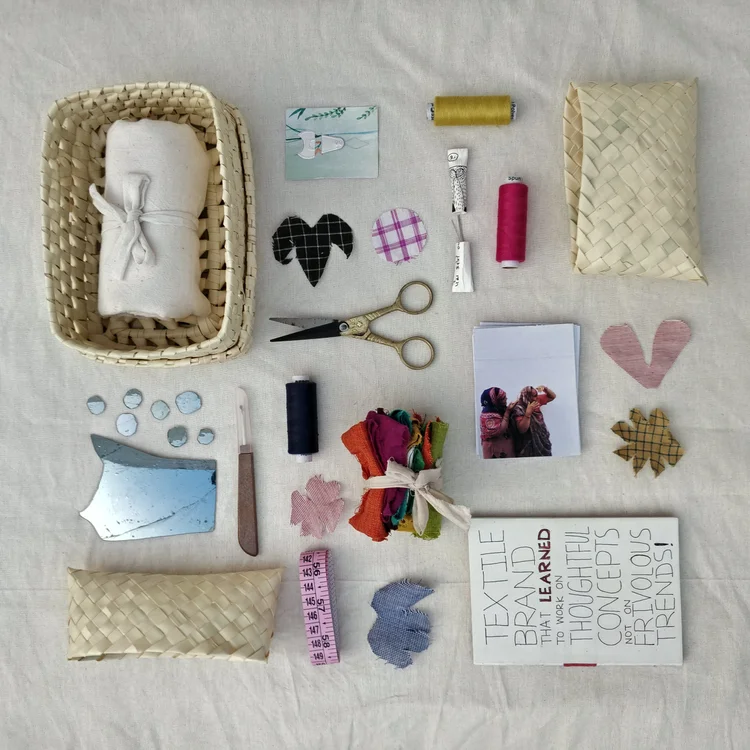
Mindful Mending and upcycling textiles using Hand Appliqué by RaasLeela Textile

€150.00

 Shop 
 

XTANT, Calle Sanchez Pacheco 47, Callejon Local 1, Madrid, 28002, Spain

Unsubscribe