$$PLAIN_TEXT_PREVIEW$$

NOMAD 2026

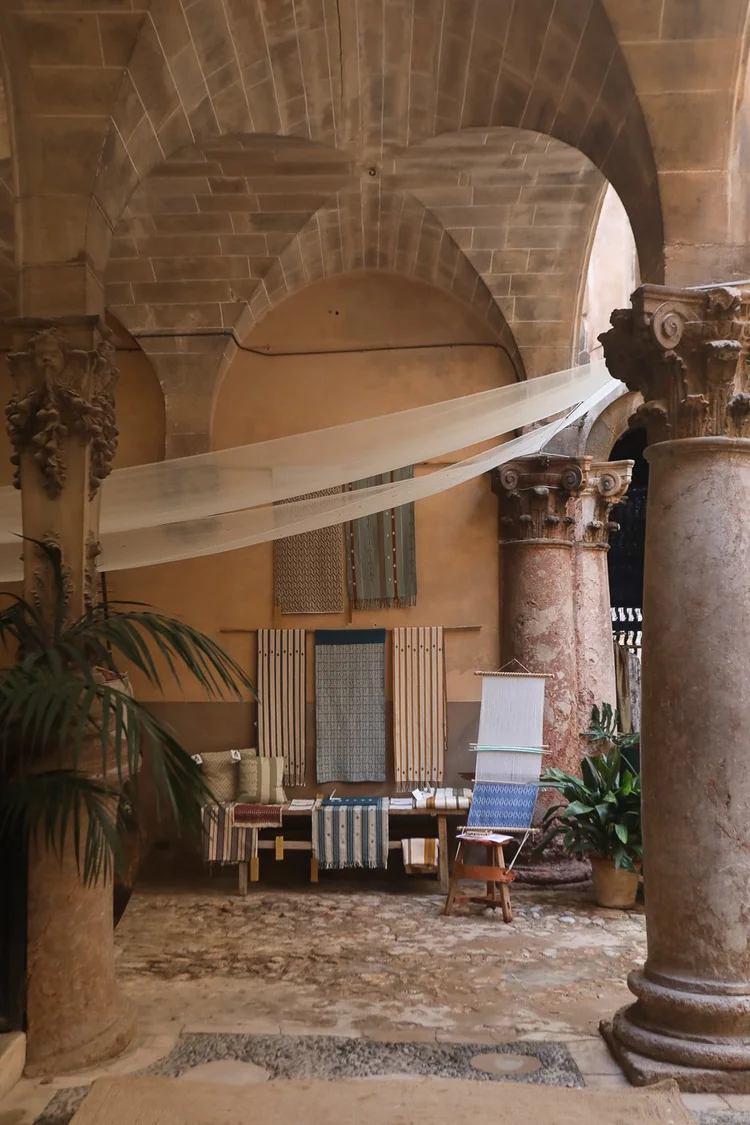
Photo of Can Vivot (@palaucanvivot) by @engelengele


Miscellaneous | 02.12.25

Behind the scenes...

We like to think that we try to keep people ‘in the know’ so to speak. But occupying a sliver of the internet and, with how often we have to repeat certain snippets in emails, we keep finding that parts of how XTANT works which we thought were public knowledge are completely unknown.

Over here, differently to how most fairs in the world of art and fashion work, we don’t charge our artists for the space they use in the event floor, do not have the usual parcelled out booths, have attending artists who don’t come to sell at all.

So, how does XTANT work? How would the process be if, say, you were an artist? And how do you plan and allocate artist’s spaces if you ‘have no booths’?

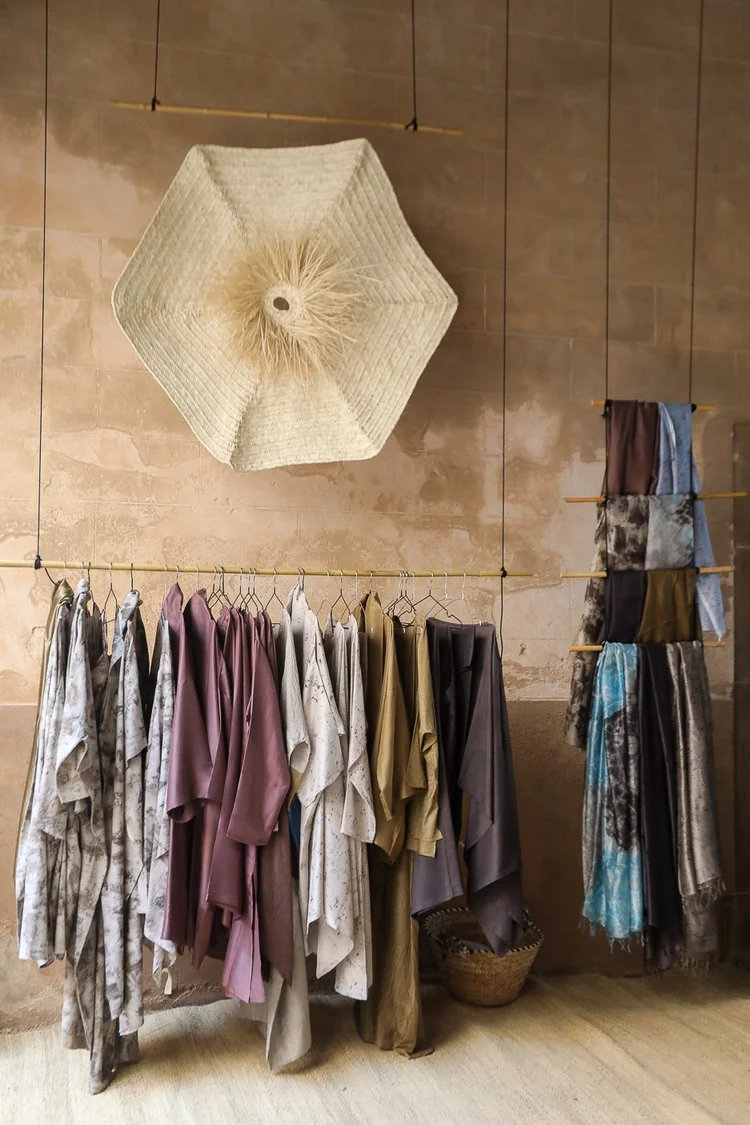
Photo of @routesinteriors work by @leyre.lopezdelapaz


XTANT’s yearly list of artists is internally curated.

Each year, on top of any artists that had previously been in XTANT and want to show up again, the team scours through email submissions, instagram pages, portfolios we found beautiful, and direct referrals from friends of the project to compile a list of new artists from around the world.

From there we do outreach typically sending emails while trying to answer the hundreds of applicants we get.

We tally the new artists we get and, with a floor plan of the building in mind, slowly string them together, composing their works in a way that flows through the building with a sense of ease.

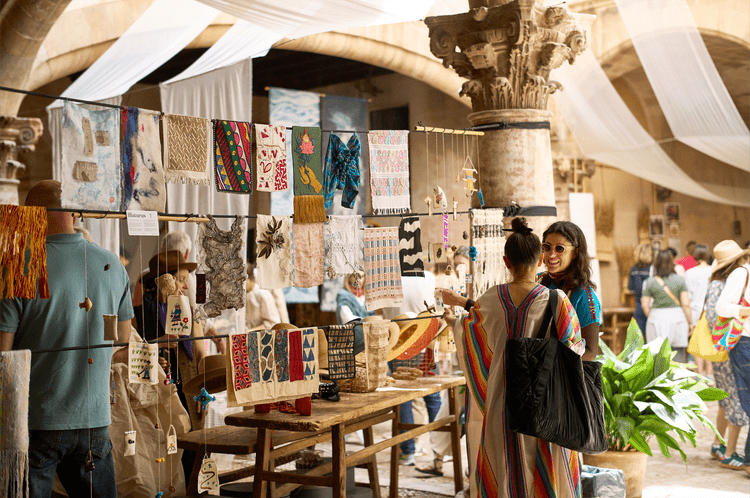
Photo of the XTANT event floor by @yukisugiura.photo


While it was a secondary reason as to why the event is organized the way that it is. The ability to curate and design the floor space of the fair almost as an exhibition was an incredible plus.

Where normal booths compartmentalise fairs and make them look a little like malls or box stores, having no formal walls or space that artists rent out allows mixing and melding their work, tying thematic or aesthetic links between different works from places far far apart.

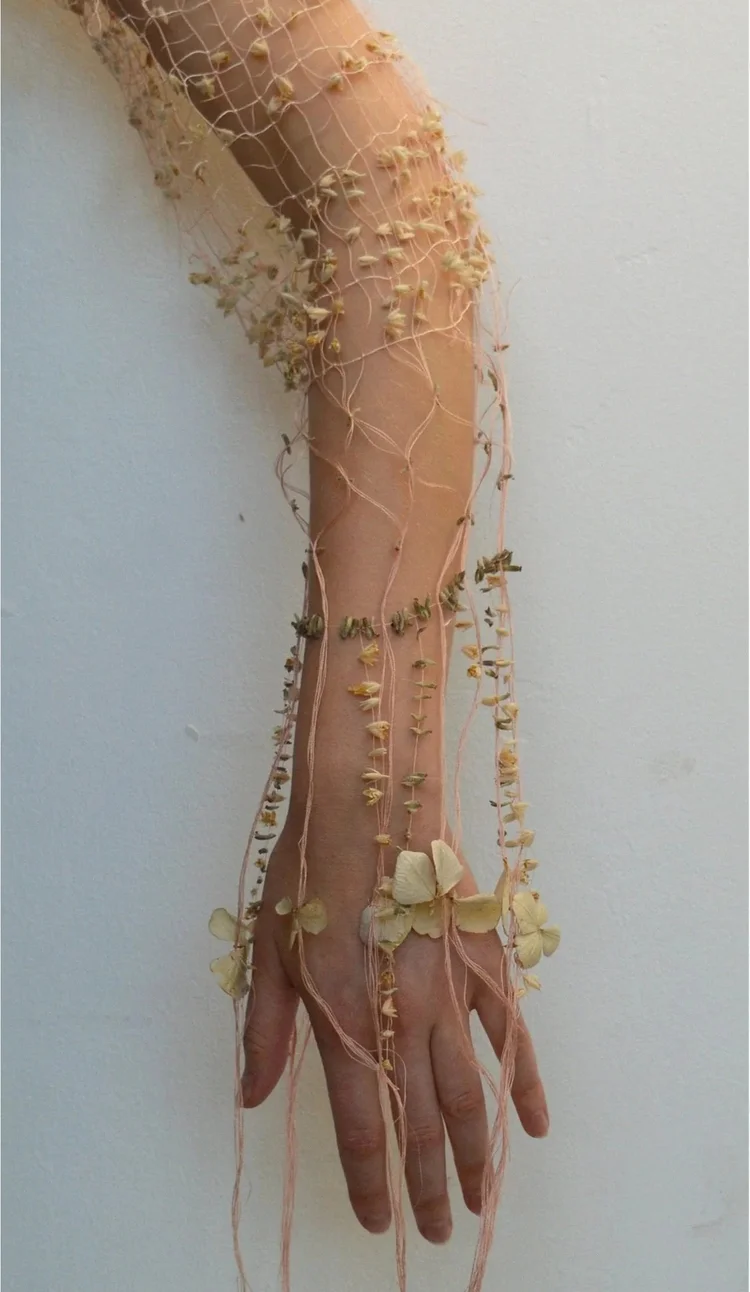
Artwork & textiles by @kamandalu.lauramicheletti and @adivpurenature respectively Photo by @Leyre.lopezdelapaz


So that’s how it goes, but how does it run?

Without a booth cost, with set up costs and props taken care of by our team, and most importantly without even an entry fee for the event floor, XTANT gets to run in part thanks to a sale contribution or a ‘cut’. The works of the artists and artisans sold at the fair give a 30% portion of the sale towards the fair costs.

As a consequence, if you unfortunately have a day or two where you didn’t sell, you are not burdened with the added cost of a booth. Creating a system that ensures some level of protection for artists in case things don’t happen to go well or they decide not to sell but just do an installation.

In fairs that the team has participated in over the past decades, you are basically forced to gamble, hoping that both the space you bid for is well placed and the people that walked by interested enough to recoup the expensive cost of the booth.

If you have any artists in your life you’d know from them that these costs aren’t cheap.

Across the well-known, prestigious fairs in west-european fashion, the smallest booths offered could at times run for upwards of 3000 to 5000 euro. Even for artists that don’t travel in groups or have to fly into the country that can still be well over half of the total costs in attending a fair.

Photo of @Passaaofuturo exhibit by @yukisugiura.photo


While that model might be more appealing to the one in a thousand runaway success, it puts people — who aren’t exactly rich by any means — into an environment that can be deeply punishing and fosters a sense of distrust.

Far from the idealised market that only exists in the models of economists. Artists and artisans, going on a financial limb, put themselves in a situation where ‘failure’ becomes much more consequential than what “pretty” notions like ‘the best product beating the competition’ can convey.

Artisan textiles and independent fashion are, compared to established fashion, barely limping. By making the spaces where people get their name out there have a significant barrier to entry and no safe way to fail, we stunt the amount of people that will go from impassioned amateurs to skilled parts of the industry.

The more this happens the older and thinner the pool of people in the industry will become.

Most of us at XTANT, the team, volunteers, and artists have worked these fairs. And while we would never call them worthless there is a lot more that could be done a lot better. Since it was first thought up, nine whole years ago, XTANT’s goal has been to carve out a new kind of space.

One where your fellow artist doing well is not seen as biting into your share but something that uplifts everyone; A space where all artists in the project are encouraged, but also structurally incentivised to help each other.

Behind the scenes


Despite the constant messaging to the contrary in our modern day, people should not and do not thrive by frantically climbing and stepping over each other.

A place of friendly competition should ideally also be a place of cooperation. All artists learned their skills from their forefathers and teachers before them. The time, effort, and compassion they showed, to keep their craft alive, to evolve it, and to uplift others by training them cannot be treated as just another way to leave behind those who didn’t get the advantage.

From an outsider’s perspective XTANT couldn’t seem more fractured in its projects. The leadership program, the market, the free exhibitions, the support for apprenticeships; but ultimately all of these exist for the sake of its main goal: To create a space where textile art and artistry can gather, be shown to the world, and be taught to anyone who’d be willing to learn it.

That’s what we mean when we call it a community. Doesn’t sound like a corporate PR term after all of that, huh?

Of course, this community would not be complete without the generous support of our Patrons.

Our sales contribution only covers so much of the fair, and the people who truly help us get this thing off the ground are those among you who’ve supported us across the years like this.

So, to all of you whether you’ve supported the project as patron’s, bought a patron pass for a friend, visited and bought an artist’s work, or simply talked about us to the people in your life: Thank you.

THREADED PETALS: A hand embroidery workshop with Katerina Knight.

€150.00

 Shop 
 

XTANT, Calle Sanchez Pacheco 47, Callejon Local 1, Madrid, 28002, Spain

Unsubscribe